
Protection Applied Before Damage Accelerates
Sealcoating and Maintenance in South El Monte for asphalt surfaces showing oxidation, minor cracking, or fading that precedes structural failure
Sealcoating works as a preventive measure—not a repair—which means it delivers the most value when applied before oxidation has progressed to cracking and before water has found a path into the base. 4 Lakes Landscape applies asphalt sealcoating and surface maintenance treatments to residential and commercial properties in South El Monte. Southern California's sustained UV intensity accelerates the oxidation of asphalt binder faster than most climates, meaning surfaces that might hold their flexibility for several years in cooler regions begin to grey and harden noticeably within two to three seasons here without protective treatment.
The sealcoating process involves more preparation than the application itself. Cracks must be cleaned and filled before the sealer goes down—applying sealer over open cracks traps moisture rather than blocking it. Oil spots require a primer treatment, because sealcoating does not bond to petroleum-contaminated surfaces. The sealer itself is applied in even passes at the specified rate, and the surface needs adequate dry time before traffic returns. Skipping preparation steps produces a finish that peels and fails quickly, leaving the underlying asphalt in the same deteriorated condition.
Connect with 4 Lakes Landscape to schedule a surface review and determine whether your asphalt is at the right maintenance stage for sealcoating.
What Sealcoating Actually Accomplishes
Sealcoating creates a barrier between asphalt and the elements that break it down—UV radiation, oxidizing air, water intrusion, and fuel or oil spills. On a functional level, a fresh sealer coat slows the rate at which the binder oxidizes, keeping the pavement more flexible longer. On a practical level, it also fills hairline surface voids that aren't visible as cracks yet but represent the beginning of water infiltration. Crack filling, applied before sealing, addresses any openings wider than hairline—routed cracks filled with hot-pour rubberized filler stay sealed through the temperature cycling that South El Monte surfaces experience between cool nights and hot days.
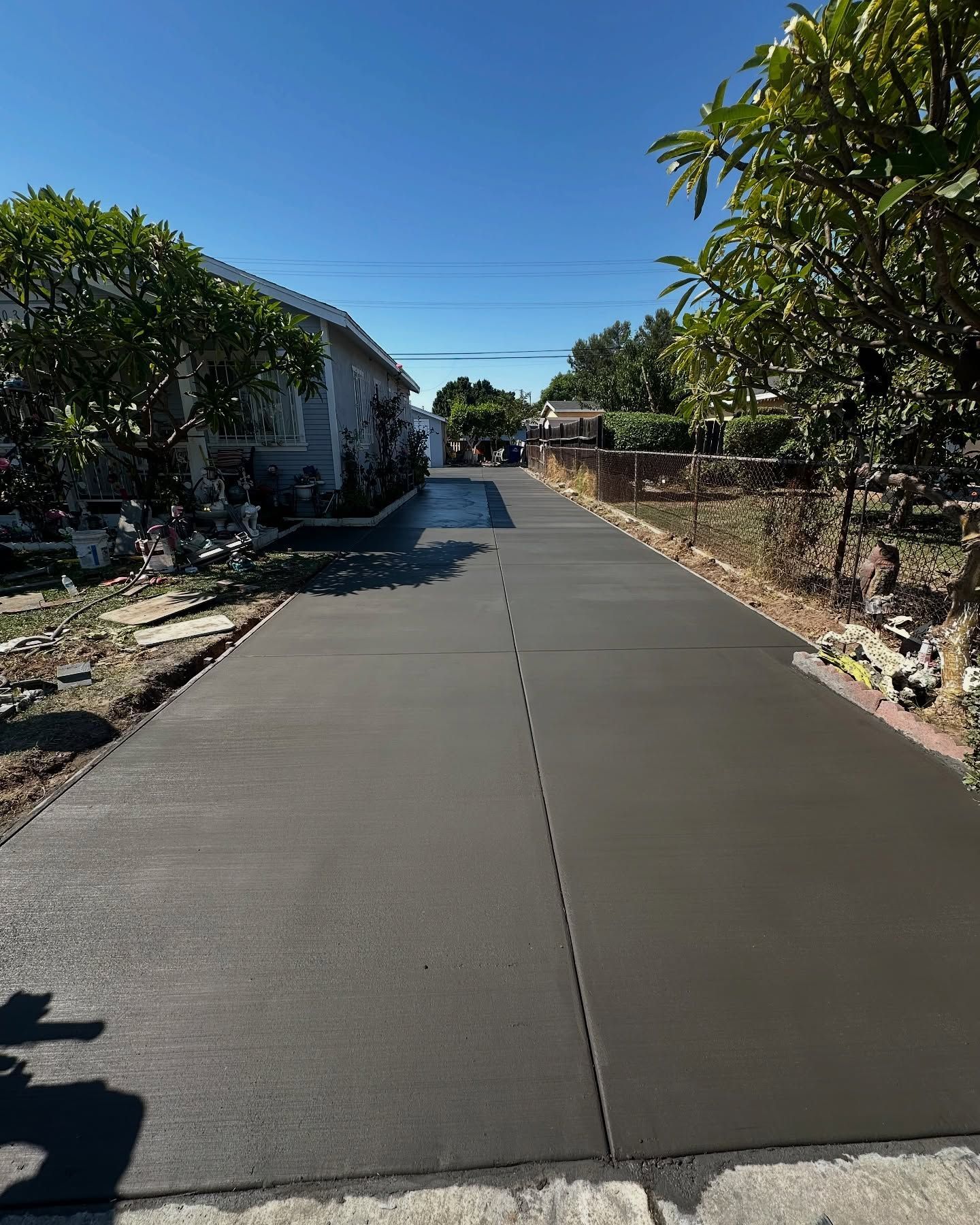
After sealcoating is complete, the surface presents a uniform dark appearance, which indicates fresh sealer coverage and confirms that oil spots were properly primed beforehand—unprimed spots show through as dull patches in the finished coat. The asphalt beneath is now shielded from additional UV exposure, and the surface resists water penetration rather than allowing it to seep into the base through surface voids. These are visible indicators that the application was completed correctly.
Maintenance schedules vary depending on traffic volume, sun exposure, and the existing condition of the pavement. Commercial parking areas that see daily vehicle traffic may need reapplication more frequently than residential driveways. A surface already showing deep cracks or significant base softening is past the point where sealcoating alone addresses the problem—those conditions require repair before maintenance treatment makes sense.
Answers to Frequent Service Questions
Property owners in South El Monte often ask these questions when evaluating sealcoating and asphalt maintenance for the first time or returning to it after several years.
How often should asphalt be sealcoated?
Most asphalt surfaces benefit from reapplication every two to four years, though high-sun-exposure areas in Southern California may warrant more frequent treatment because UV degradation is accelerated compared to cooler climates.
What happens if sealcoating is applied too frequently?
Successive coats build up a thick layer that becomes brittle and begins to peel rather than protecting the surface—proper application rate and appropriate intervals between coats prevent this buildup problem.
Why do cracks need to be filled before sealcoating?
Open cracks allow sealer to fill the void temporarily but provide no structural reinforcement, and the sealer breaks out of the crack quickly—routed and filled cracks with flexible rubberized material move with the pavement and stay sealed longer.
Can sealcoating be applied to surfaces with significant base failure or deep cracking?
Sealcoating is a maintenance treatment for structurally sound surfaces; alligator cracking, soft spots, or sunken areas indicate base failure that requires repair before any surface treatment will hold.
How long does the surface need to dry before vehicles can return?
Drying time depends on temperature and humidity, but most sealcoating applications in South El Monte's climate are ready for foot traffic within a few hours and vehicle traffic within 24 to 48 hours after the final coat.
4 Lakes Landscape handles both the crack filling and the sealer application as part of a complete maintenance visit, so the surface is properly prepared before any product goes down. Call (626) 202-3211 to discuss your property's current pavement condition and the right maintenance approach.